
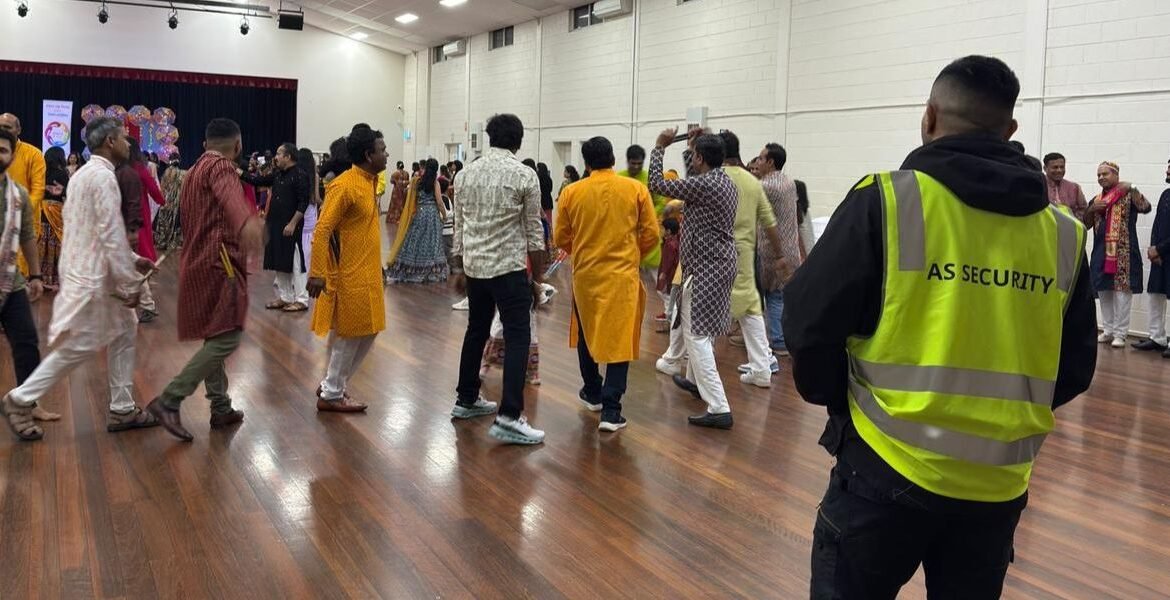
Whether it’s a corporate function in the Melbourne CBD, a music festival in the suburbs, or a community sporting event, one thing every organiser needs to take seriously is safety. Events bring crowds, and crowds bring unpredictability. That’s why professional event guard security is no longer a luxury; it’s an absolute necessity.
With over 15 years of experience working alongside event organisers across Melbourne, there is a clear understanding of what can go wrong when security is treated as an afterthought. At the same time, the impact of the right guard service is evident in how it can turn a chaotic situation into a controlled and safe environment. This blog breaks down the real risks at events and, more importantly, how to prevent them.
What is Special Event Security?
Special event security refers to the deployment of trained, licensed security personnel specifically for events, such as concerts, expos, weddings, sports days, festivals, and corporate gatherings. Unlike general site security, event security involves dynamic crowd management, real-time threat assessment, and rapid response under pressure.
It’s not just about having someone in a hi-vis vest standing at the door. Professional event guard security covers everything from entry screening and bag checks to crowd flow management, conflict de-escalation, and emergency coordination.
In Victoria, all security guards must hold a current Victoria Police-issued security licence. Every guard deployed is fully licensed, insured, and trained to handle the specific demands of live events.
Common Risks in Event Management
Understanding the risks is the first step toward preventing them. Here are the most common security challenges event organisers face:
- Unauthorised Entry Gatecrashers are more common than people think. Without proper access control, events become vulnerable to individuals who have no business being there and who may bring trouble with them.
- Crowd Surges and Crushing Large gatherings can turn dangerous quickly if crowd density isn’t monitored. Sudden rushes toward a stage, a bottleneck at exits, or a panic response to an incident can result in serious injuries.
- Alcohol-Related Incidents Events with alcohol service are higher risk by default. Intoxicated attendees can become aggressive, disoriented, or put themselves and others in danger.
- Theft and Pickpocketing Crowded events are a prime hunting ground for opportunistic thieves. Bags, phones, and valuables go missing more often than organisers realise.
- Medical Emergencies: Heat exhaustion, allergic reactions, seizures, and medical events happen at every type of gathering. Security guards trained in first aid can be the difference between a managed situation and a tragedy.
- Anti-Social or Violent Behaviour Arguments, fights, and threatening behaviour can escalate rapidly in high-energy environments. Having trained event guards on the ground to spot and intervene early is critical.
- Unauthorised Filming or Privacy Breaches. At private corporate events or performances, protecting attendees’ privacy and intellectual property is increasingly important.
Proactive Prevention: Event Security Tips for Organisers
Preventing security incidents isn’t just about reacting; it’s about planning before the first guest arrives. Here’s what professional event organisers do differently:
Start with a risk assessment. Before you finalise any security plan, assess the venue layout, expected attendance, age group, type of event, and alcohol presence. A risk assessment helps you decide how many guards you need and where to position them.
Brief your security team thoroughly. Your guards need to know the venue floor plan, the event schedule, VIP areas, emergency exits, and who the key organisers are. A well-briefed team responds faster and smarter.
Have a communication plan. Guards need to communicate with each other and with event management in real time. Radios, earpieces, and clear chain-of-command protocols are non-negotiable.
Use visible deterrents. The visible presence of uniformed guard service security professionals significantly reduces the likelihood of incidents. People behave differently when they know trained security is watching.
Plan for emergencies. Know your evacuation procedures and make sure your security team knows them too. Run a briefing walkthrough before gates open.
Security Guard Duties at Events
A lot of people assume an event security guard’s job is just to check tickets at the gate. In reality, the scope of responsibilities is much broader.
Here’s what professional event guards from AS Security actually do:
- Access Control: Verifying tickets, IDs, and guest lists at all entry points
- Crowd monitoring: Watching for dangerous crowd density, unusual behaviour, or emerging conflicts
- Conflict de-escalation: Intervening early when tensions rise before situations turn physical
- Bag and vehicle screening: Checking for prohibited items such as weapons, drugs, or alcohol brought from outside
- VIP and performer protection: Providing close protection for high-profile guests
- Emergency response coordination working with paramedics, police, and venue staff during incidents
- Perimeter patrols: Checking fence lines, back entrances, and restricted zones throughout the event
- First aid support: Applying basic first aid until emergency services arrive
Every one of these duties requires training, composure, and experience. It’s not something you want to leave to an untrained volunteer or someone with no formal security background.
Professional Event Security Guards
When you hire event security for your event, you’re not just getting a person in a uniform. You’re getting a Victoria Police-licensed professional with a background check, event-specific training, and the support of a team that has been delivering services across Melbourne for over a decade.
We’ve provided guard service security for corporate events, concerts, community festivals, religious gatherings, school events, and large outdoor functions. Our guards are trained to blend professionalism with approachability they’re there to keep people safe, not intimidate them.
Holds ISO 9001 certification for quality management and maintains a 95% client retention rate. The average response time is 18 minutes across Melbourne, with clients consistently rating the guards highly for punctuality, communication, and incident management.
Frequently Asked Questions
1. How many security guards do I need for my event?
It depends on the size, type, and venue of your event. A general rule is one guard per 100 attendees, but events with alcohol, large crowds, or high-risk environments require more. AS Security conducts a free assessment to recommend the right team size.
2. What’s the difference between event security and crowd control?
Event security covers the full scope of safety management at an event, including access control, patrols, and emergency response. Crowd control is a specific function that manages the movement and behaviour of large groups of people.
3. Do your event security guards hold current licences in Victoria?
Yes. Every AS Security guard holds a current Victoria Police security licence and is covered by comprehensive public liability insurance.
4. Can AS Security provide guards for private events like weddings or birthday parties?
Absolutely. We provide professional event guard security for all types of events, from intimate private functions to large public gatherings. All events receive the same level of professionalism and planning.
5. How far in advance should I book event security?
We recommend booking at least two to four weeks before your event for standard functions. For large-scale or high-risk events, earlier is better to allow adequate planning, briefing, and guard allocation.



Leave a Reply