
When you walk into a shopping centre, attend a public event, or arrive at a corporate office building, there is usually a security guard somewhere nearby. Most people see them and think their job is straightforward: stand at the door, keep an eye on things. But the reality is far more involved than that.
In reality, Security Guard Work Melbourne covers a much broader scope of responsibility and professionalism than most people realise. Security guards carry out a wide range of duties every single day. They protect people, property, and assets. They follow strict legal rules. They need a specific set of skills to do the job properly and safely. And they deal with situations that most people never have to think about.
This blog breaks down exactly what security guard work in Melbourne involves, from daily duties and must-have skills to legal obligations and the real challenges guards face on the job. If you are considering hiring security or simply want to understand what professional protection looks like, read on.
What is the Role of Security Guards?
At its core, the role of a security guard is to protect. But that word covers a lot of ground. Security guards are responsible for protecting people from harm, preventing theft and property damage, controlling who comes and goes from a site, and responding quickly when something goes wrong.
They are not just passive observers. A good security guard is always alert, always aware of their surroundings, and always thinking a step ahead. They are often the first person on the scene when an incident occurs, before the police, before the ambulance, before anyone else.
In Melbourne, security guards work across a huge range of environments: shopping centres, construction sites, hospitals, government buildings, warehouses, nightclubs, corporate offices, and major public events. Each location comes with its own risks and demands, and a professional guard adapts to all of them.
Key Responsibilities of Security Guards
The day-to-day responsibilities of a security guard go well beyond keeping watch. Here is what professional security work actually looks like:
- Access Control: Managing who enters and exits a site is one of the most fundamental duties. This means checking identification, issuing visitor passes, monitoring entry points, and turning away unauthorized individuals politely but firmly.
- Patrol and Surveillance: Guards conduct regular patrols of the premises, both on foot and by vehicle, where required. They check for anything unusual, unlocked doors, suspicious behaviour, damaged property, or safety hazards and report findings accurately.
- Incident Response: When something happens, a fight breaks out, a medical emergency occurs, or a fire alarm goes off, the security guard is usually the first responder. They need to act quickly, calmly, and in line with established procedures.
- Crowd Management: At events and public venues, guards are responsible for keeping crowds safe and orderly. This includes directing people, managing queues, and stepping in when tensions rise.
- Reporting and Documentation: Every incident, no matter how minor, needs to be recorded. Guards maintain detailed logs of their activities and write incident reports that may later be used by management, police, or insurers.
- Customer Service: Yes, customer service. Especially in retail and corporate environments, security guards are often the first point of contact for visitors. Being approachable, professional, and helpful is a genuine part of the job.
5 Essential Skills of a Security Guard
Not everyone is cut out for security work. The best guards bring a combination of personal qualities and trained skills that make them effective in high-pressure, unpredictable situations.
- Situational Awareness: The ability to notice what is happening in a space, who is acting strangely, what has changed, and where a potential problem might be developing is perhaps the most critical skill a guard can have. It comes with experience and training, and it is what separates a proactive guard from a reactive one.
- Communication: Security guards need to communicate clearly with members of the public, their colleagues, supervisors, and emergency services. This means being calm under pressure, choosing the right words in tense situations, and writing accurate reports after the fact.
- Conflict De-escalation: Not every situation needs to become physical. A skilled guard knows how to use tone of voice, body language, and measured words to calm people down before things escalate. This skill prevents incidents from becoming serious and keeps everyone safer.
- Physical Fitness and Composure: The job can be physically demanding, with long shifts on your feet, outdoor patrols in all weather, and occasionally having to intervene in physical confrontations. Guards also need the mental composure to stay steady when things get stressful.
- First Aid Knowledge: Medical emergencies happen without warning. A guard with current first aid certification can provide life-saving assistance in the critical minutes before paramedics arrive. This is not a nice-to-have; it is essential.
Legal Obligations of Security Guards
Security guards in Victoria operate within a clearly defined legal framework, and understanding these obligations is non-negotiable for any professional guard.
All security guards must hold a valid licence issued by Victoria Police. Working without one is illegal, and hiring an unlicensed guard puts both the client and the provider in serious legal jeopardy. Licences are tied to specific categories of security work, so a guard performing crowd control at an event needs the correct licence for that role specifically.
Guards must also operate strictly within the powers granted to them by law. They are not police officers. They cannot detain someone indefinitely, search a person without consent (with narrow exceptions), or use more force than is reasonably necessary. Crossing these lines, even with good intentions, can result in criminal charges.
Incident reporting obligations also carry legal weight. If a guard witnesses or is involved in an incident that results in injury or property damage, accurate and timely documentation is required. Falsifying or omitting information from reports is a serious offence.
Challenges Faced by Security Guards
Security work is demanding in ways that are not always obvious from the outside. Guards face real challenges every shift, and acknowledging these helps explain why professional training and support matter so much.
- Dealing with aggressive or intoxicated individuals, especially in nightlife or retail environments, is one of the most common and difficult aspects of the job.
- Long shifts, often overnight, take a physical and mental toll. Staying alert at 4 am after eight hours on your feet requires genuine discipline.
- Guards often work alone or in small teams, which means making quick decisions without backup. The pressure to get it right matters because mistakes can have real consequences.
- Emotional stress is real, too. Guards sometimes witness accidents, violent incidents, or medical emergencies that stay with them. Good employers take mental well-being seriously.
Despite these challenges, professional security guards consistently show up, do the work, and keep people safe, often without any recognition at all.
Why Are Security Guards Vital for Safety?
The presence of a professional security guard changes the dynamic of any environment. Potential offenders think twice when they see trained, uniformed security guards Melbourne businesses rely on. Staff and customers feel safer. Incidents that do occur are handled faster and with less escalation.
Security guards also fill a critical gap between everyday risk and emergency services. Police response times in Melbourne can vary significantly. When something happens on your premises right now, the security guard is the person who deals with it first. Their training, their composure, and their ability to act within the law in that moment make all the difference.
Beyond the physical deterrent, guards provide something less tangible but equally important: peace of mind. Business owners can focus on running their operations. Event organizers can focus on their guests. Property managers can sleep at night. That peace of mind has real value.
Why Choose AS Security : Melbourne’s Trusted Security Experts
With over 15 years of experience protecting Melbourne’s businesses, events, and properties, the focus has always remained on one simple principle: doing the job right, every time.
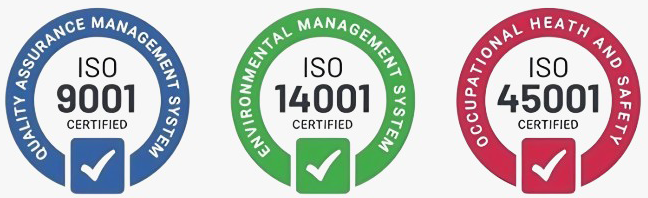
Every security guard holds a current Victoria Police security licence, has passed a thorough background check, and receives ongoing training tailored to the environments they work in. The company is ISO 9001 certified for quality management, an independent verification that its processes meet international standards, and is a registered member of ASIAL (Member ID: 42712).
Conclusion
Security guards do far more than stand at a door. They protect people, manage risk, respond to emergencies, uphold the law, and provide a layer of safety that most of us take for granted until we need it.
Choosing the right security company means choosing one whose guards are properly trained, correctly licensed, and genuinely committed to the job. In Melbourne, that is exactly what AS Security delivers shift after shift, site after site.
Frequently Asked Questions
Q1. What qualifications does a security guard need in Melbourne?
All security guards in Victoria must hold a valid security licence issued by Victoria Police. The type of licence required depends on the work; for example, crowd control at events requires a specific licence category. Guards should also hold a current first aid certificate.
Q2. Can a security guard physically detain someone?
Security guards have limited powers of citizens’ arrest under Victorian law, but only in specific circumstances. They cannot detain someone indefinitely or use excessive force. Any physical intervention must be proportionate, lawful, and only used as a last resort.
Q3. What is the difference between a security guard and a bodyguard?
A security guard typically protects a fixed location, a building, an event, or a site. A bodyguard, or close protection officer, is assigned to protect a specific individual and moves with them. Both require proper licensing, but the training and focus differ significantly.
Q4. How do I know if a Melbourne security company is properly licensed?
Ask for the company’s Security Business Licence number and verify it with Victoria Police’s Licensing & Regulation Division. A reputable provider will share this information without hesitation. AS Security’s licence number is Z46-640-90S.
Q5. What types of security services does AS Security offer in Melbourne?
Services include static guards, mobile patrols, event security, concierge security, gatehouse security, retail loss prevention, warehouse patrol guards, female guards, and government facility security across Melbourne and surrounding suburbs, including Dandenong, Keysborough, Frankston, and the CBD.



Leave a Reply