
Choosing the right security solution for your business is not a decision you want to rush. Get it wrong, and you are left with gaps in coverage, unqualified personnel, or a service that simply does not match what your site actually needs. Get it right, and you have a professional presence that protects your people, your property, and your reputation.
This guide is designed to cut through the noise and give you a clear, practical picture of what a guard security service involves, what types of services are available, and exactly what to look for when you are hiring. Whether you are a small business owner exploring security for the first time or a facilities manager reviewing your current arrangements, you will find something useful here.
Types of Security Services
Not all security services are the same. The industry covers a wide spectrum of roles, and understanding what each one does will help you make a much smarter buying decision.
Static Guarding
This is what most people picture when they think of a security guard: a trained officer stationed at a fixed location. Static guards are ideal for controlling access to a building, monitoring entry and exit points, or maintaining a visible security presence in high-traffic environments. Retail stores, corporate offices, hospitals, and entertainment venues all commonly use this model.
Mobile Patrol Security
Mobile patrol officers travel between multiple sites in marked vehicles, conducting scheduled or randomised checks. This is a cost-effective option for businesses that need professional coverage across several locations or require after-hours monitoring without the expense of a full-time on-site guard.
Event Security
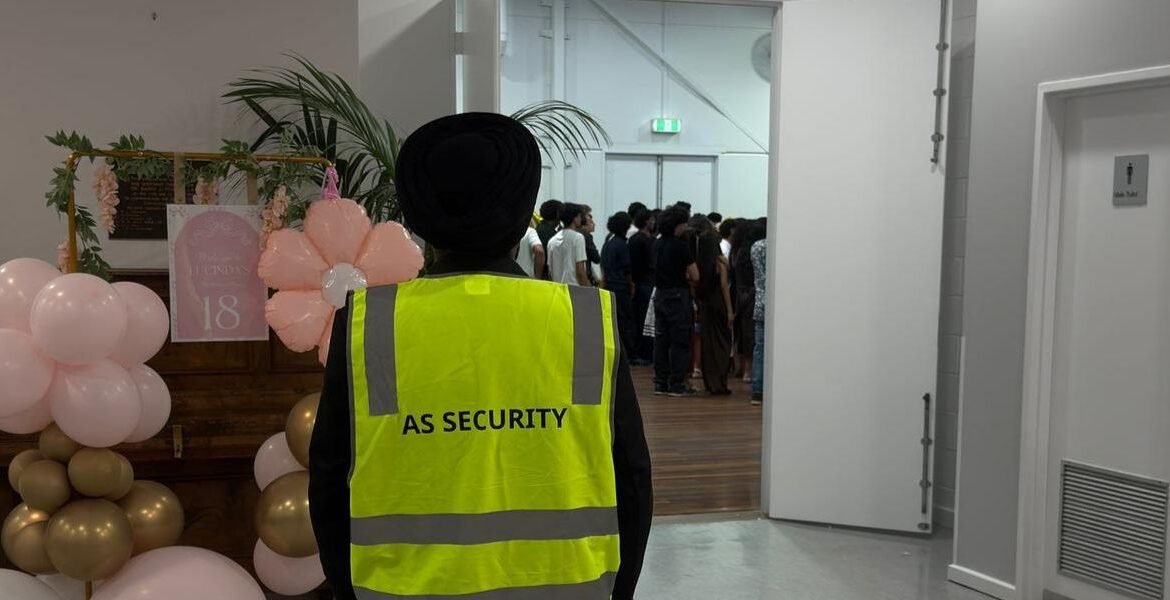
Concerts, sporting events, festivals, corporate functions, and private gatherings all carry their own unique security demands. Event security guards are trained to manage crowd control, screen attendees, handle access lists, and respond quickly if situations escalate. They operate differently from static guards, and experience in this area really does matter.
Loss Prevention Officers
Retail businesses are particularly vulnerable to theft both from customers and from within. Loss prevention officers work on the floor, in plain clothes or uniform, to detect and deter shoplifting and internal theft. Their work reduces stock shrinkage and protects profit margins in a direct, measurable way.
Concierge and Corporate Security
In office towers, residential complexes, and commercial buildings, security officers often double as the first point of contact for visitors and tenants. These roles blend professional customer service with access control and surveillance, and they require guards who are as polished as they are capable.
Consider Your Business Needs
Before you contact a single security provider, take a step back and think honestly about what your business actually needs. A lot of businesses end up overpaying for services they do not fully use, or underinvesting in areas where the risk is genuinely high.
Here are the key questions to work through:
- What are your highest-risk times? After-hours vulnerability is very different from peak trading hour risks.
- Do you have one site or multiple locations? Multi-site operations are often better served by mobile patrols combined with CCTV, rather than static guards at each location.
- What is the nature of your foot traffic? A busy shopping centre has very different requirements from a quiet warehouse.
- Have you experienced incidents before? Past break-ins, theft, or harassment are strong indicators of what specific coverage you need.
Once you have a clear picture of your vulnerabilities and priorities, you are in a much stronger position to have a productive conversation with a security provider. You will know what to ask, what to push back on, and what to look for in a proposal.
At AS Security, the first step is always a proper site assessment because cookie-cutter security plans rarely fit real-world situations.
Qualifications and Skills to Look For
This is where a lot of businesses slip up. They focus entirely on cost and availability, and overlook the single most important factor: the quality of the people being placed on their site.
A service security guard is not just someone standing at a door. They are a trained professional who represents your business, respond to emergencies, make judgment calls under pressure, and in many cases are the difference between a situation being managed safely and one that gets out of hand.
Here is what to look for when evaluating a security provider:
Valid Licensing
In Australia, every security officer must hold a current licence issued by the relevant state authority. This is non-negotiable. Ask for proof of licensing before you sign anything, and verify it independently if you have any doubts. Unlicensed guards are not just ineffective; they can expose your business to liability.
First Aid and Emergency Response Training
A security officer who cannot respond effectively in a medical emergency is a significant gap in your safety plan. Look for guards who hold a current first aid certificate, ideally including CPR. In high-risk environments or large events, this is essential.
Communication Skills
Good security work is as much about communication as it is about physical presence. Guards need to de-escalate tense situations, deal professionally with the public, liaise with emergency services, and produce clear, accurate reports. If the company you are evaluating cannot demonstrate this, walk away.
Conflict Management Training
Situations sometimes escalate fast. Trained guards know how to manage conflict before it turns physical, how to position themselves safely, and when to call for backup rather than attempting to handle something alone. This training is a key differentiator between experienced professionals and those who are simply filling a shift.
Relevant Industry Experience
A guard who has worked predominantly in retail will have a different skill set from one who has covered construction sites or healthcare facilities. Ask whether the provider has experience in your specific industry and, if possible, speak to references from similar businesses.
Reliability and Accountability Systems
Does the security company have systems in place to verify that guards are showing up on time and completing their duties properly? GPS tracking, digital patrol logs, and regular supervisor checks are all signs of a provider who takes accountability seriously. If a company cannot tell you exactly how they monitor their staff, that is a red flag.
Conclusion
A reliable guard security service is an investment in the long-term safety and stability of your business. When you get it right, you get more than just a body at the door; you get trained professionals who protect your people, reduce your risk, and represent your business with integrity.
Take the time to understand the types of services available, assess your own vulnerabilities honestly, and hold your chosen provider to a high standard when it comes to qualifications and accountability. The security industry varies enormously in quality, and the difference between a good provider and a poor one can have real consequences.
Frequently Asked Questions
1. What is the difference between a security guard and a security officer?
The terms are often used interchangeably in Australia. In practice, ‘security officer’ tends to suggest a higher level of training and responsibility, while ‘security guard’ is the more general term. Both refer to licensed individuals employed to protect people, property, or assets, but their specific duties vary depending on the role and site.
2. How do I know if a security guard is properly licensed?
You can verify a security licence directly through the relevant state licensing authority. In most Australian states, guards are required to carry their licence with them at all times while on duty. Any reputable security company should be able to provide licence details for every officer placed on your site. If they cannot, do not hire them.
3. How much does a guard security service cost in Australia?
Pricing varies depending on the type of service, the hours required, the number of guards, and the complexity of the site. Static guarding is generally priced by the hour per guard. Mobile patrols are typically cost per visit or as part of a monthly plan. The best approach is to request a site assessment and a tailored proposal. A good provider will never offer a one-size-fits-all quote.
4. Can a security guard detain someone suspected of theft?
In Australia, security guards have limited legal powers; they do not have the same authority as police. However, they can perform a citizen’s arrest under certain circumstances where an indictable offence has been clearly committed. Trained loss prevention officers understand these boundaries well, and professional security companies ensure their staff operate strictly within the law.
5. What should I expect in a security guard service agreement?
A good service agreement should clearly outline the scope of services, the hours and frequency of coverage, guard qualifications and licensing requirements, incident reporting procedures, response time commitments, and the process for raising concerns or requesting changes. Read it carefully before signing, and do not hesitate to ask questions about anything that is not clear.



Leave a Reply